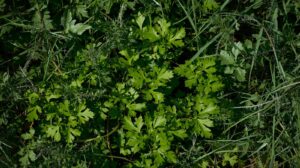

The Natural Wine Movement and Organic Fertilizers

The natural wine movement is all about working with nature, not against it. It focuses on sustainability, keeping things in harmony, and using minimal human interference. Biodynamic farming is a big part of this—it treats the vineyard like a living system where soil, microorganisms, water, and climate all work together. The goal is to protect ecosystems and reduce environmental impact.

By PakWin Team

The natural wine movement is really catching on in California! It’s all about going back to basics with winemaking—keeping it sustainable and simple. These wines skip things like filtering, fining, or adding chemicals. Instead, they’re made with just grapes, wild yeast, barrels, and time. The process uses biodynamic farming and treats vineyards like living ecosystems. The idea is to adopt organic methods like head training, mowing instead of tilling, and using composted mulch to keep things natural.

Natural wines are super popular, especially with younger people who love their low-alcohol, high-acid wines with individual flavors. This isn’t a brand-new idea—it’s been around for years in places like New York and Quebec. It’s more like coming back to old-school winemaking, offering a greener, more ethical alternative to the usual way of doing things.

These wines are also healthier for some people since they don’t have artificial substances that might cause bad reactions. Not to mention that they’re very popular with eco-conscious drinkers who want something different and more natural. The best part is that low-intervention wines are better for the planet and offer a sustainable choice.

The natural wine movement is all about working with nature, not against it. It focuses on sustainability, keeping things in harmony, and using minimal human interference. Biodynamic farming is a big part of this—it treats the vineyard like a living system where soil, microorganisms, water, and climate all work together. The goal is to protect ecosystems and reduce environmental impact.

By mowing instead of tilling and using composted mulch, growers save water, boost soil nutrients, and get better yields—all while being kinder to the environment. Organic fertilizers are a game-changer. They naturally improve the soil, cut down on the need for chemicals, and support biodiversity by keeping microorganisms happy and healthy.

Low-intervention winemaking also helps the planet by cutting down on machinery use, carbon emissions, and chemical pollution. These methods don’t just protect the environment—they also make wines that are good for your health.

In short, the natural wine movement shows how old-school and organic methods can lead to better farming and a healthier planet. Winemakers are bringing back traditional techniques while promoting a more ethical and eco-friendly way of winemaking.

At PakWin Solutions, we’re all about supporting these ideas. Our products help growers combine traditional methods with modern tools to create something amazing. We believe mixing old and new approaches can push regenerative farming forward and make eco-friendly practices the norm. Let’s work together to take care of the planet!
Share the Post:

Related Posts

Combating Diseases in Lettuce Crops: Genetic Resistance, Organic Solutions, and Sustainable Farming Practices

The resurgence of Impatiens Necrotic Spot Virus (INSV) in California’s Salinas Valley has created new challenges for lettuce growers, damaging crops and reducing yields. Combating this threat requires a combination of genetic resistance, effective pest management, and improved soil health. By using organic fertilizers and sustainable farming practices, growers can strengthen plant immunity, support healthier soils, and produce more resilient lettuce crops while promoting environmentally responsible agriculture.

Read More »

Ethics, Environment, and Technology: Global Food Security and the Challenge of New Technologies

Ensuring global food security is a pressing challenge, with nearly 828 million people facing hunger in 2022. Rising food prices, climate change, and unequal access to resources exacerbate this crisis, pushing low-income households towards unhealthy diets. However, sustainable agriculture and innovative technologies offer a pathway forward. From precision agriculture to vertical farming, these solutions can enhance food production while protecting the environment. Join us as we explore the critical intersection of ethics, technology, and policy in building a resilient food system that ensures everyone has access to safe, nutritious, and affordable food.

Read More »

Aggressive weeds thrive and challenge cilantro growers

By utilizing natural soil amendments and organic weed suppressants, growers can enhance the resilience of their cilantro plants, reduce weed spread, and promote healthier crops. Discover how adopting these organic practices not only supports sustainable farming but also meets the rising consumer demand for environmentally responsible agriculture. Join us in exploring effective strategies for a healthier future!

Read More »

Stay in the Loop

Sign up to receive fresh insights, case studies, and practical tips, straight to your inbox.

Project Manager

Dr. Monica De Freitas Winiecki

Con maestría en ética aplicada y doctorado en metaética por la Universidad Federal de Río de Janeiro, Dr. Mónica de Freitas Winiecki cree firmemente en la importancia de la sostenibilidad. Sus estudios profundizan en principios clave de la ética ambiental: sostenibilidad, respeto a la biodiversidad y deberes morales hacia la naturaleza.


Para Mónica, la sostenibilidad fortalece la percepción de la interconexión entre todos los seres vivos y el valor de la ecología tanto para componentes humanos como no humanos. También explora si los humanos tienen deberes morales hacia el medio ambiente más allá de su utilidad o del enfoque económico habitual.


Como Ethics Executive Officer en PakWin, desempeña un papel esencial al vincular la ética ambiental con los objetivos de innovación y sostenibilidad de la empresa. Su asesoría especializada en procesos, tecnologías regenerativas y mercados potenciales resulta clave en la estrategia sostenible de PakWin.


📧 Contacto: monica.w@pakwinsolutions.com