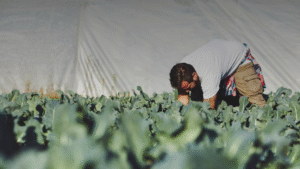

Regenerative Agriculture: Growing Beyond Sustainability

Discover how regenerative agriculture restores soil health, boosts biodiversity, and creates a resilient farming future.

Regenerative agriculture goes beyond the idea of “doing less harm” — it focuses on actively improving the health of the land. It’s a system of farming that works with nature, rather than against it, to rebuild soil, enhance biodiversity, and increase resilience.

At its core, regenerative agriculture restores organic matter to the soil. Healthy soils act like living sponges, holding water, storing nutrients, and supporting a complex web of life underground. This leads to stronger crops, reduced erosion, and a more stable ecosystem.

Techniques like cover cropping, minimal tillage, and crop rotation all play a role. By planting diverse crops, farmers can break pest cycles, improve nutrient availability, and prevent soil depletion. These practices are low-cost, scalable, and adaptable to farms of all sizes.

Regenerative systems also help combat climate change. Healthy soils store carbon, keeping it out of the atmosphere while improving productivity. This makes regenerative agriculture both an environmental and economic win for farmers and communities.

Importantly, regenerative farming is about accessibility. You don’t need cutting-edge technology to start — simple, nature-based changes can have a big impact. The goal is to integrate these practices into daily operations without overwhelming resources.

By focusing on soil health, biodiversity, and long-term sustainability, regenerative agriculture builds a stronger foundation for the future of food. The land becomes more productive over time, farmers gain stability, and communities benefit from healthier ecosystems.

Share the Post:

Related Posts

Ethics, Environment, and Technology: Global Food Security and the Challenge of New Technologies

Ensuring global food security is a pressing challenge, with nearly 828 million people facing hunger in 2022. Rising food prices, climate change, and unequal access to resources exacerbate this crisis, pushing low-income households towards unhealthy diets. However, sustainable agriculture and innovative technologies offer a pathway forward. From precision agriculture to vertical farming, these solutions can enhance food production while protecting the environment. Join us as we explore the critical intersection of ethics, technology, and policy in building a resilient food system that ensures everyone has access to safe, nutritious, and affordable food.

Read More »

Aggressive weeds thrive and challenge cilantro growers

By utilizing natural soil amendments and organic weed suppressants, growers can enhance the resilience of their cilantro plants, reduce weed spread, and promote healthier crops. Discover how adopting these organic practices not only supports sustainable farming but also meets the rising consumer demand for environmentally responsible agriculture. Join us in exploring effective strategies for a healthier future!

Read More »

Ethics and environment: The growing success of California dates

Discover how California’s thriving organic date market is transforming the landscape of sustainable agriculture. With Riverside County leading U.S. date production, organic certification has propelled sales, driven by a surge in demand for nutritious superfoods like Medjool dates. Learn how eco-friendly farming practices not only benefit the environment but also enhance farmers’ profits. As health-conscious consumers seek responsibly grown food, California’s date growers are proving that caring for the planet and achieving economic success can go hand in hand. Dive into the world of organic farming and see how it shapes a healthier future for all.

Read More »

Stay in the Loop

Sign up to receive fresh insights, case studies, and practical tips, straight to your inbox.