Red leaf blotch, a devastating disease caused by the fungus Polystigma amygdalinum, has been rapidly spreading across California almond orchards since its first detection in 2024. This aggressive disease infects almond leaves, causing defoliation, reduced photosynthesis, and lower yields if left untreated. The fungus thrives during the five-to-six-week period after petal fall, coinciding with rapid leaf growth and spring rains that disperse infectious spores. Symptoms include yellow, red, and brown blotches on leaves, leading to necrosis and premature leaf drop. The urgency of this situation is clear, as symptoms appear 35-40 days after infection, making treatment ineffective at that stage.
The disease, native to the Mediterranean and the Middle East, overwinters in fallen leaves and has now been detected in nearly all California counties that produce almonds. Although growers are advised to prioritize preventive measures, including timely fungicide applications to protect their orchards, they face the challenge of reducing costs associated with fungicide use. In this context, sustainable agricultural practices, such as the use of organic fertilizers, play a crucial role in maintaining overall orchard health and promoting environmental sustainability. Organic fertilizers derived from natural sources such as compost, manure, and plant residues can complement disease management by improving soil health, increasing nutrient availability, and boosting tree vigor. Moreover, they can help reduce costs related to fungicide applications.
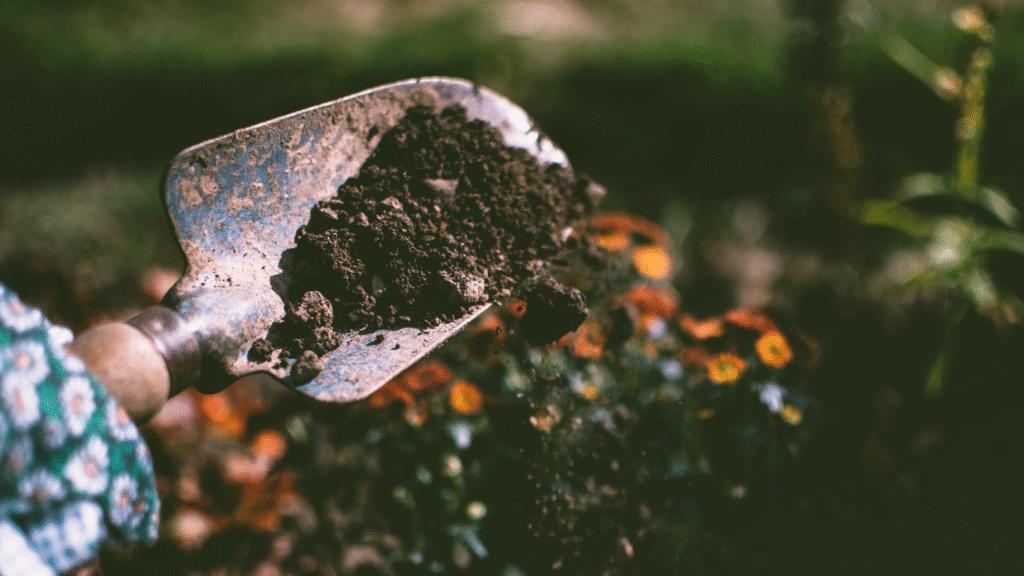
Healthy trees with robust nutrient uptake are better equipped to withstand stressors, including diseases like red leaf blotch. Organic fertilizers enrich the soil with essential nutrients and organic matter, fostering beneficial microbial activity that can suppress harmful pathogens. These microbes strengthen trees and enhance their natural defenses against diseases like red leaf blotch. Additionally, organic fertilizers improve soil structure, water retention, and root development, creating a more resilient orchard ecosystem. This not only reduces stress on trees during critical growth periods but also ensures the long-term health of your orchard. Furthermore, healthy nutrient uptake from organic fertilizers promotes the development of a stronger leaf cuticle, which acts as a physical barrier against fungal infections.
From an environmental perspective, the use of organic fertilizers is a significant step towards sustainable agriculture. By reducing reliance on synthetic inputs, they lower the risk of chemical runoff into waterways and minimize the carbon footprint of agricultural operations. When integrated with targeted fungicide applications, organic fertilizers enable growers to adopt a more holistic approach to orchard management, balancing disease control with environmental sustainability. This dual strategy not only protects yields but also supports long-term soil and ecosystem health, making organic fertilizers a crucial component of sustainable agriculture.
While organic fertilizers alone may not directly prevent red leaf blotch, integrating them into a comprehensive orchard management plan—including proper fungicide applications and preventive measures—can help promote healthier trees and reduce disease susceptibility. At PakWin Solutions, we are committed to providing sustainable solutions that benefit both agricultural systems and individuals, aligning with ethical livelihoods. Our products reflect these values and are designed to help growers prevent plant diseases, such as red leaf blotch, from occurring. We believe meaningful change starts with regenerative practices and eco-friendly tools that support our planet.
By PakWin Team