By PakWin team
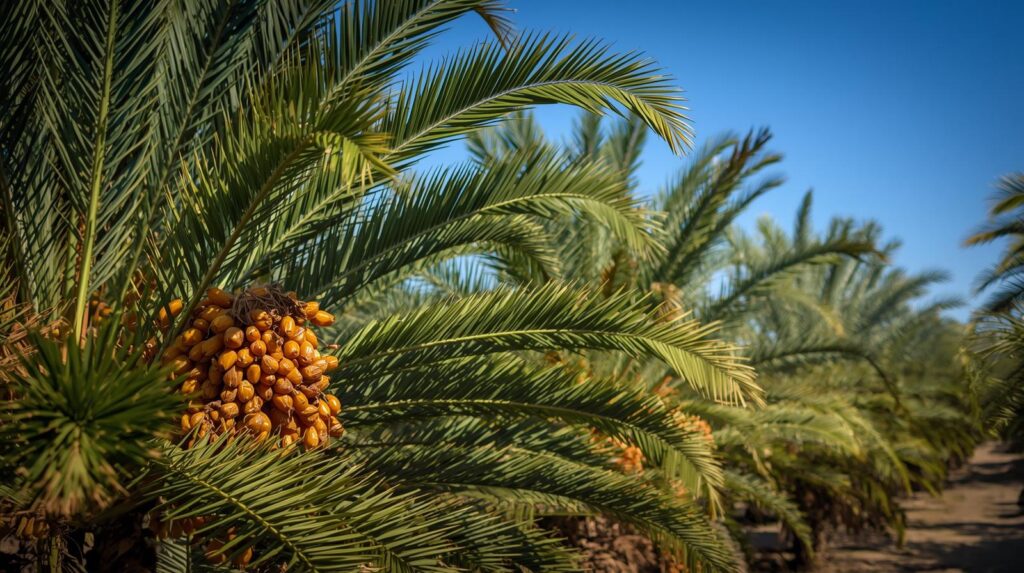
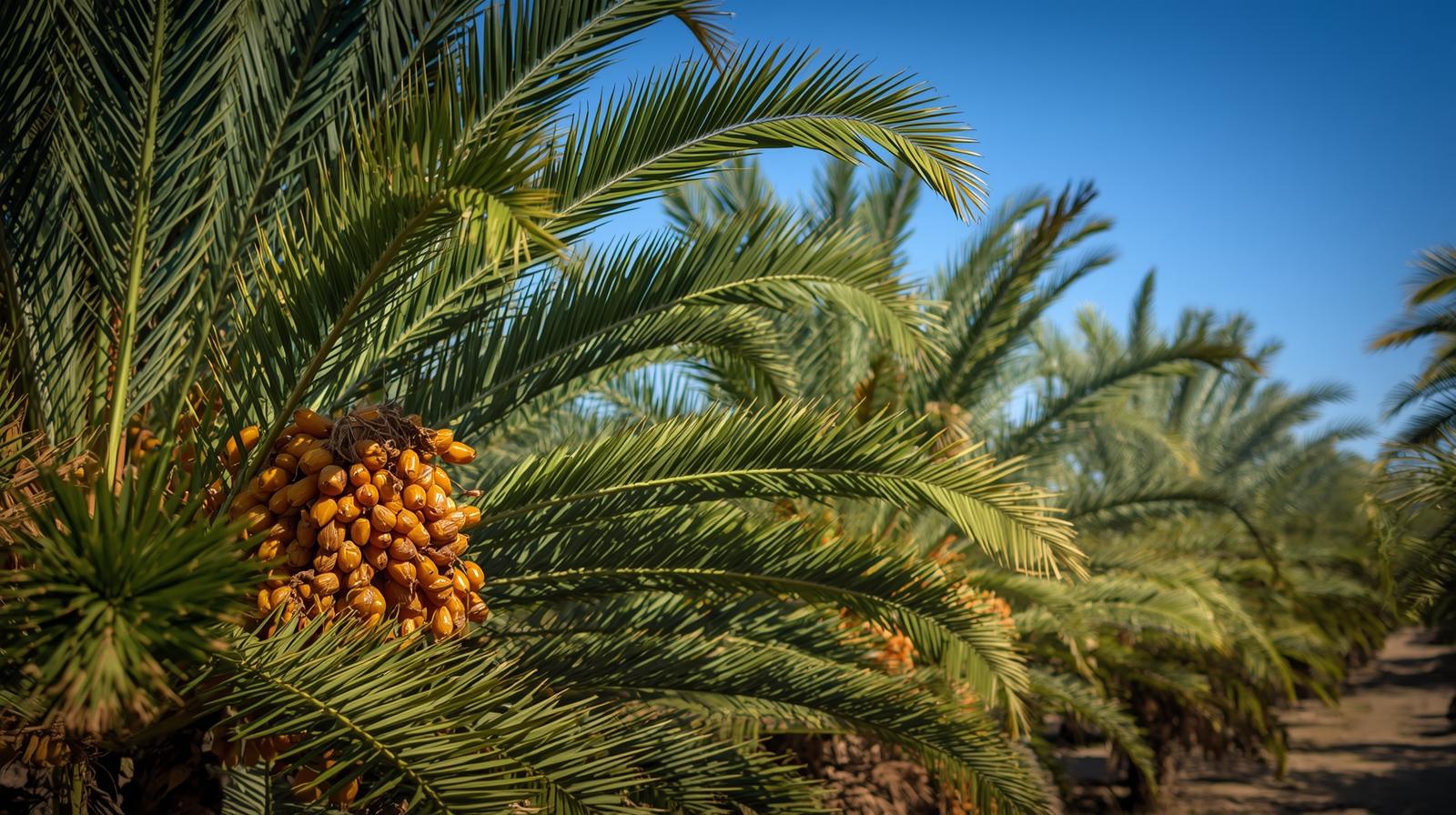
California’s organic date market, especially in Riverside County, has been thriving, with the region leading U.S. date production. Organic certification has given sales a significant boost, driven by growing demand for dates over the past few years. Medjool dates, the most popular type, are harvested in September but are available year-round. Between 2022 and 2024, the value of dates grown in the U.S. jumped by over 25%, and retail revenue went up by nearly a third in just the past year.
Dates have become a favorite among health-conscious people and athletes because they’re packed with fiber, vitamins, antioxidants, and have a low glycemic index. Their popularity has also soared due to their use in energy bars, earning them the title of a “superfood.” In Riverside County, about 78% of the land used for date production is certified organic, a huge difference compared to just 7% of California’s overall farmland.
Organic farming practices, like using natural fertilizers and mesh bags to keep pests away, are better for the environment. They help keep the soil healthy, prevent harmful chemicals from polluting water, and protect ecosystems. While organic farming can be more work and produce smaller harvests, it’s worth it because organic dates sell at higher prices. This reflects how much people value food that’s grown responsibly and sustainably.
In Riverside County, organic farming has been a win-win for date growers. Using eco-friendly methods makes growing organic dates possible, even with the challenges of smaller yields. Farmers’ markets, in particular, offer higher profits for organic dates than for regular ones. By focusing on organic farming, California’s date growers show they care about both the planet and their bottom line. This approach not only helps the environment but also appeals to people who want healthy, sustainable, and ethically produced food.
At PakWin Solutions, we’re dedicated to creating sustainable solutions that benefit farmers, improve people’s health, and protect the planet. We’re committed to using methods and practices that support long-term sustainability while ensuring farmers can still make a good living.