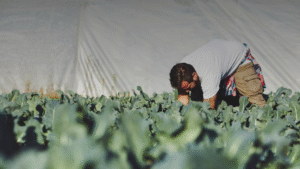

Aggressive weeds thrive and challenge cilantro growers

By utilizing natural soil amendments and organic weed suppressants, growers can enhance the resilience of their cilantro plants, reduce weed spread, and promote healthier crops. Discover how adopting these organic practices not only supports sustainable farming but also meets the rising consumer demand for environmentally responsible agriculture. Join us in exploring effective strategies for a healthier future!

By PakWin team

Yellow nutsedge has become a persistent issue for cilantro growers in California, particularly in coastal regions like Ventura, Monterey, Santa Barbara, and San Luis Obispo counties. It’s an invasive weed that competes for resources. This problem not only makes harvesting more difficult but also increases the labor costs. While some growers opt for chemical herbicides like Dual Magnum, organic solutions can offer a sustainable and environmentally friendly alternative for managing this problem.

Organic plant treatments, such as natural soil amendments, biofertilizers, and organic weed suppressants, can help strengthen cilantro plants, making them more competitive against yellow nutsedge. By improving soil health and boosting plant resilience, these organic methods both reduce the weeds’ ability to spread and promote healthier crop growth. Not to mention that organic practices eliminate the need for synthetic chemicals. These treatments minimize the risk of soil and water contamination, protecting local ecosystems.

Adopting organic solutions not only supports sustainable cilantro production but also aligns with growing consumer demand for environmentally responsible farming practices. By preventing the spread of yellow nutsedge through organic methods, growers can reduce labor costs, improve crop yields, and contribute to a healthier environment for future generations.

PakWin Solutions Team offers the best products to create sustainable solutions that benefit people’s health, support growers, and protect the planet. We’re committed to promoting well-being and eco-friendly methods and practices that support the environment, with benefits that outweigh the costs. 

Share the Post:

Related Posts

Ethics, Environment, and Technology: Global Food Security and the Challenge of New Technologies

Ensuring global food security is a pressing challenge, with nearly 828 million people facing hunger in 2022. Rising food prices, climate change, and unequal access to resources exacerbate this crisis, pushing low-income households towards unhealthy diets. However, sustainable agriculture and innovative technologies offer a pathway forward. From precision agriculture to vertical farming, these solutions can enhance food production while protecting the environment. Join us as we explore the critical intersection of ethics, technology, and policy in building a resilient food system that ensures everyone has access to safe, nutritious, and affordable food.

Read More »

Ethics and environment: The growing success of California dates

Discover how California’s thriving organic date market is transforming the landscape of sustainable agriculture. With Riverside County leading U.S. date production, organic certification has propelled sales, driven by a surge in demand for nutritious superfoods like Medjool dates. Learn how eco-friendly farming practices not only benefit the environment but also enhance farmers’ profits. As health-conscious consumers seek responsibly grown food, California’s date growers are proving that caring for the planet and achieving economic success can go hand in hand. Dive into the world of organic farming and see how it shapes a healthier future for all.

Read More »

Ethics and Environment: How Organic Fertilizer Can Help Prevent Plant Diseases

While organic fertilizers alone may not directly prevent red leaf blotch, integrating them into a comprehensive orchard management plan—including proper fungicide applications and preventive measures—can help promote healthier trees and reduce disease susceptibility. At PakWin Solutions, we are committed to providing sustainable solutions that benefit both agricultural systems and individuals, aligning with ethical livelihoods.

Read More »

Stay in the Loop

Sign up to receive fresh insights, case studies, and practical tips, straight to your inbox.