By the PakWin team
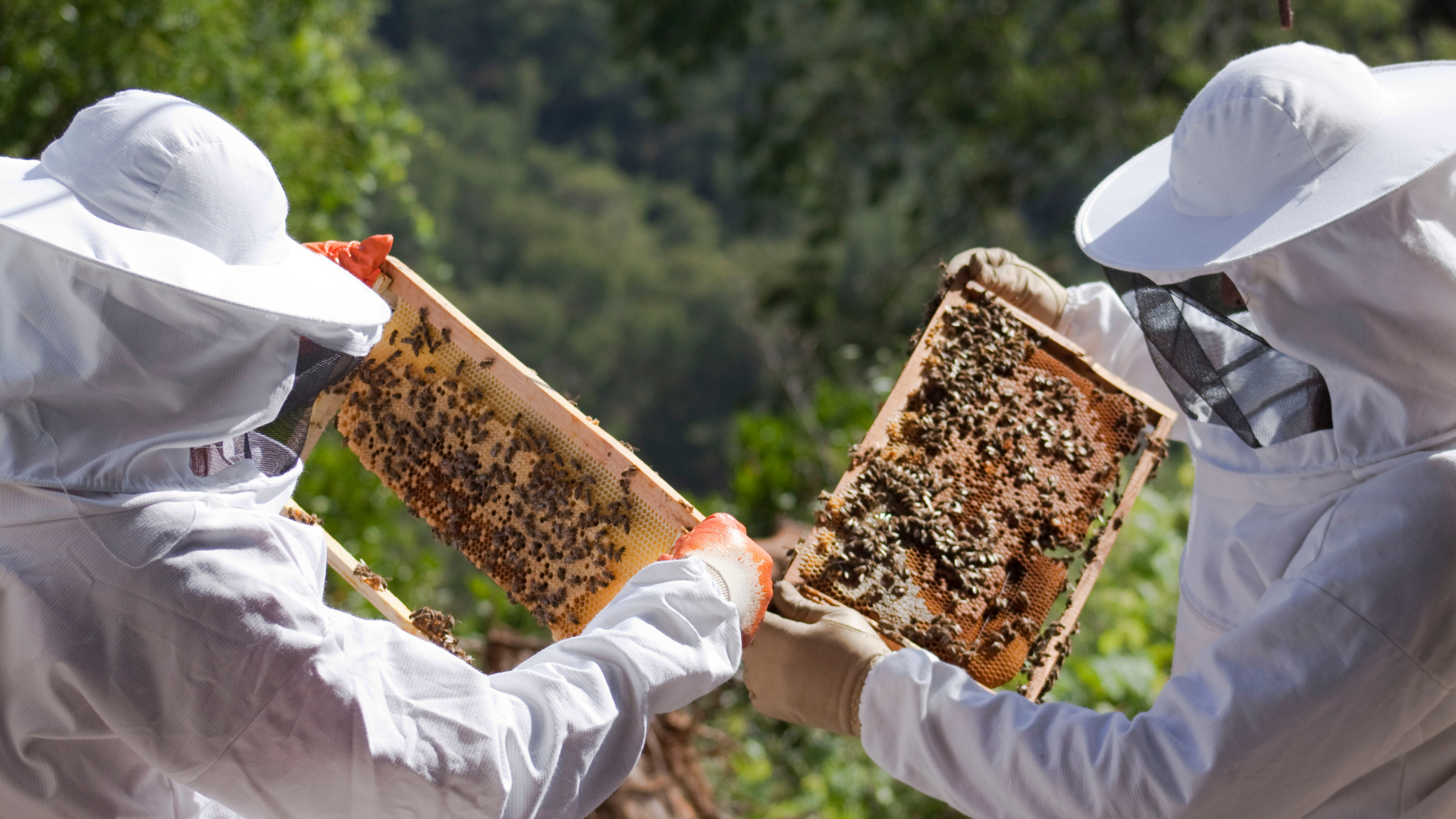
Beekeeping plays a crucial role in agriculture and biodiversity, but the industry faces numerous challenges. Some of them include economic pressures, environmental stressors, and ethical concerns. Addressing these issues requires sustainable practices that not only support bee health but also protect the environment. The use of organic fertilizers can be a solution that benefits both bees and ecosystems.
Economic Sustainability and Organic Fertilizers
Cheap imports and beekeepers in California and across the nation are struggling with high production costs and low honey prices. In this situation, organic fertilizers can help support long-term economic security. While lowering dependence on synthetic chemicals, farmers can build healthier ecosystems that support pollinators, for example, bees. This could potentially reduce colony stress and death rates. Additionally, it is worth noting that this shift may also correspond with fair trade practices, promote local agricultural products, and support domestic beekeeping businesses.
Environmental Stressors and Organic Solutions
Environmental influences such as varroa mites and harmful viruses have been a threat to bee populations. The use of chemical treatments to manage these issues has also sparked concerns about their environmental and bee health impacts. Organic fertilizers can help lessen these risks as reducing the overall chemical load in agricultural systems. In addition, healthier soil and plants cultivated with organic fertilizers provide bees with safer foraging environments and limit exposure to harmful substances.
Lowering Pesticide Use Through Organic Practices
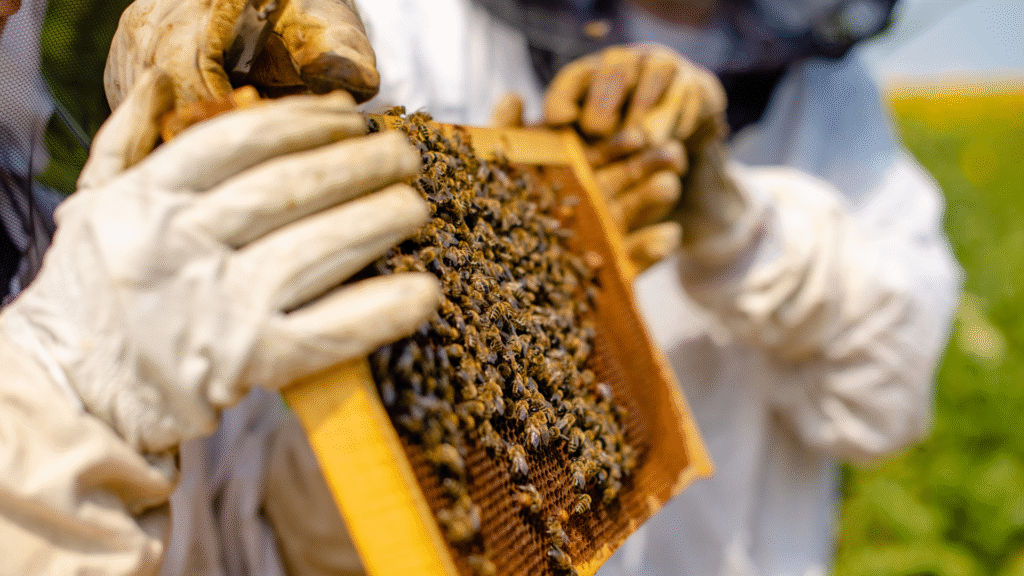
Although the use of pesticides and chemical treatments, such as amitraz and oxalic acid, helps combat varroa mites, it raises ethical and environmental concerns. Organic farming practices, including the use of natural fertilizers, can reduce the need for harmful pesticides and support healthier crops and ecosystems. This is a beneficial approach not only because it helps bees but also because it supports the long-term health of the environment, creating an increasingly sustainable agricultural system.
Supporting Pollination and Biodiversity
Because California’s almond industry heavily relies on imported hives for pollination, it places immense strain on local bee populations. In this scenario, organic fertilizers can help relieve this pressure while supporting healthier soil and plants, and supporting local pollinator populations. Moreover, organic farming practices encourage biodiversity, which is key not only for maintaining resilient ecosystems but also for guaranteeing the survival of vital pollinators, such as bees.
Farmers and Beekeepers Working Together in Organic Practices
The beekeeping industry faces interconnected problems that endanger both economic sustainability plus environmental health. The adoption of organic fertilizers can be an effective solution to these issues by benefiting bees, reducing chemical exposure, and supporting improved ecosystems. By applying organic practices in agriculture, farmers and beekeepers can work together to protect pollinators, advance biodiversity, and ensure the industry’s enduring sustainability.
References
https://ofrf.org/wp-content/uploads/2019/09/organic-farming-for-bees-xerces-society_0.pdf