
Combating Diseases in Lettuce Crops: Genetic Resistance, Organic Solutions, and Sustainable Farming Practices

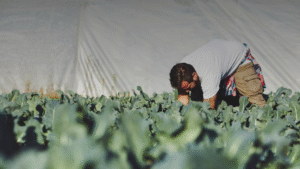
The resurgence of Impatiens Necrotic Spot Virus (INSV) in California’s Salinas Valley has created new challenges for lettuce growers, damaging crops and reducing yields. Combating this threat requires a combination of genetic resistance, effective pest management, and improved soil health. By using organic fertilizers and sustainable farming practices, growers can strengthen plant immunity, support healthier soils, and produce more resilient lettuce crops while promoting environmentally responsible agriculture.

By the PakWin team

The Threat of INSV to Lettuce Crops in Salinas Valley

The resurgence of impatiens necrotic spot virus (INSV) in California’s Salinas Valley during the 2025 lettuce season has brought significant challenges to farmers. This virus, spread by western flower thrips, causes severe damage to lettuce crops, resulting in stunted, wilting, and unmarketable plants. Because it is a major threat to agricultural productivity, infected plants must be destroyed to prevent further spread. The pest’s rapid reproduction and the virus’s ability to survive in weeds during winter are further challenges to reducing the virus reservoirs.

The Role of Crop Immunity in Combating INSV

Improving the immune systems of lettuce crops is considered a vital strategy for effectively fighting the problem. While red leaf lettuce has demonstrated some genetic resistance to the virus, romaine, iceberg, and green leaf varieties remain highly vulnerable. Researchers and seed companies are working on breeding programs to develop stronger lettuce varieties. Genetics is seen as the key to addressing this issue. However, significant breakthroughs in resistance development have yet to be achieved, highlighting the need for continued investment in crop resilience.

Organic Fertilizers: A Natural Solution to Boost Immunity

If, on the one hand, genetic resistance is crucial, organic fertilizers can, on the other hand, play a complementary role in strengthening lettuce crops’ immune systems. Studies show that organic fertilizers enrich the soil with essential nutrients, improve plant health, and increase disease resistance. By promoting healthy root systems and balanced growth, these fertilizers can help crops better withstand environmental stressors and infections. Not to mention that organic fertilizers promote sustainable farming practices by reducing dependency on chemical inputs and supporting long-term soil health.

A Holistic Approach to Disease Management

Combating INSV requires a multifaceted approach that integrates pest and weed management, genetic resistance, and improved soil health. Organic fertilizers are a key to a natural, sustainable way to improve crop immunity, making them an important tool in the fight against this devastating virus. While integrating organic fertilizers into farming practices, growers can support the development of healthier, more resilient lettuce crops and help the overall sustainability of agriculture in the Salinas Valley.

PakWin Solutions and Environmentally Responsible Farming

Adopting organic solutions not only supports sustainable lettuce crops but also aligns with growing consumer demand for environmentally responsible farming practices. By preventing INSV through organic methods, growers can reduce labor costs and improve crop yields. PakWin Solutions Team is committed to creating sustainable solutions that benefit people’s health, support growers, and protect the planet with benefits that outweigh the costs. 

References 
https://www.researchgate.net/publication/380925635_Potential_use_of_different_organic_fertilizers_in_lettuce_cultivation
https://terralatinoamericana.org.mx/index.php/terra/article/view/2050
https://pmc.ncbi.nlm.nih.gov/articles/PMC11351459
Share the Post:

Related Posts

The Natural Wine Movement and Organic Fertilizers

The natural wine movement is all about working with nature, not against it. It focuses on sustainability, keeping things in harmony, and using minimal human interference. Biodynamic farming is a big part of this—it treats the vineyard like a living system where soil, microorganisms, water, and climate all work together. The goal is to protect ecosystems and reduce environmental impact.

Read More »

Ethics, Environment, and Technology: Global Food Security and the Challenge of New Technologies

Ensuring global food security is a pressing challenge, with nearly 828 million people facing hunger in 2022. Rising food prices, climate change, and unequal access to resources exacerbate this crisis, pushing low-income households towards unhealthy diets. However, sustainable agriculture and innovative technologies offer a pathway forward. From precision agriculture to vertical farming, these solutions can enhance food production while protecting the environment. Join us as we explore the critical intersection of ethics, technology, and policy in building a resilient food system that ensures everyone has access to safe, nutritious, and affordable food.

Read More »

Aggressive weeds thrive and challenge cilantro growers

By utilizing natural soil amendments and organic weed suppressants, growers can enhance the resilience of their cilantro plants, reduce weed spread, and promote healthier crops. Discover how adopting these organic practices not only supports sustainable farming but also meets the rising consumer demand for environmentally responsible agriculture. Join us in exploring effective strategies for a healthier future!

Read More »

Stay in the Loop

Sign up to receive fresh insights, case studies, and practical tips, straight to your inbox.

Project Manager

Dr. Monica De Freitas Winiecki

Con maestría en ética aplicada y doctorado en metaética por la Universidad Federal de Río de Janeiro, Dr. Mónica de Freitas Winiecki cree firmemente en la importancia de la sostenibilidad. Sus estudios profundizan en principios clave de la ética ambiental: sostenibilidad, respeto a la biodiversidad y deberes morales hacia la naturaleza.


Para Mónica, la sostenibilidad fortalece la percepción de la interconexión entre todos los seres vivos y el valor de la ecología tanto para componentes humanos como no humanos. También explora si los humanos tienen deberes morales hacia el medio ambiente más allá de su utilidad o del enfoque económico habitual.


Como Ethics Executive Officer en PakWin, desempeña un papel esencial al vincular la ética ambiental con los objetivos de innovación y sostenibilidad de la empresa. Su asesoría especializada en procesos, tecnologías regenerativas y mercados potenciales resulta clave en la estrategia sostenible de PakWin.


📧 Contacto: monica.w@pakwinsolutions.com